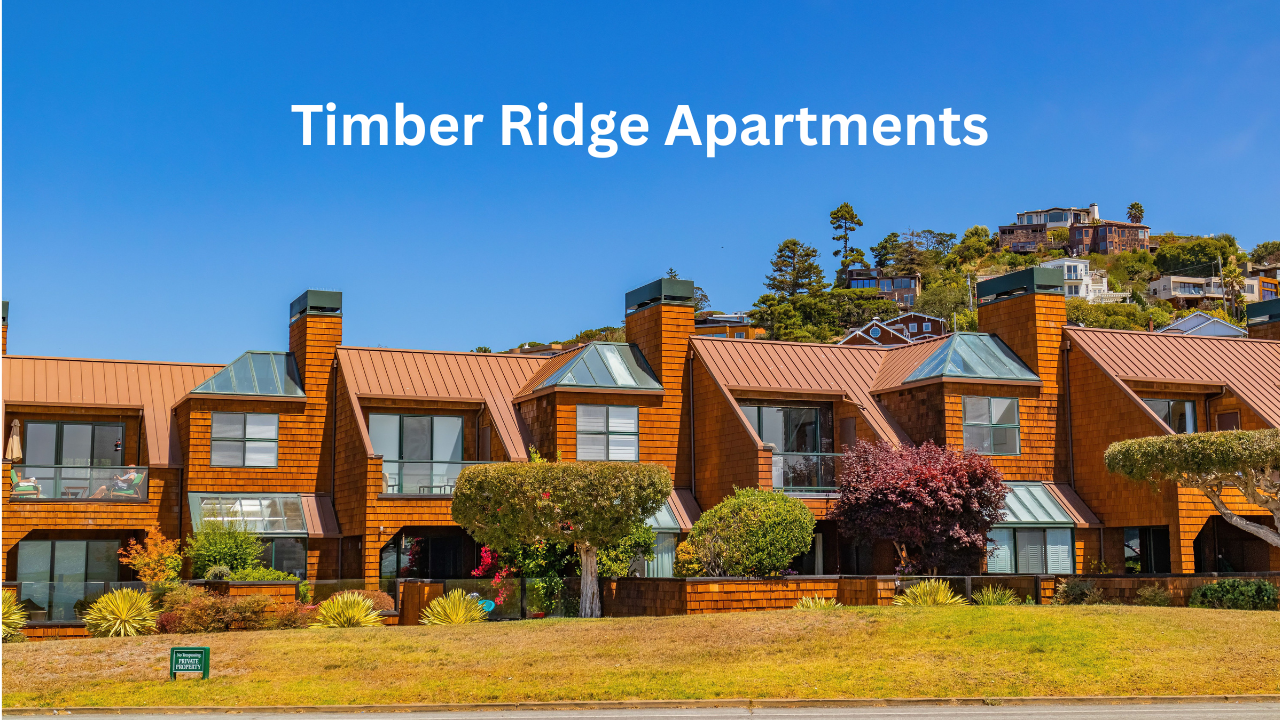
What I Learned Touring Timber Ridge Apartments
I moved twice in the last four years, and both times I ended up looking at a property called “Timber Ridge Apartments” — turns out that’s basically the “Sunset Villas” of apartment naming, every city’s got one. Different owners, different cities, wildly different quality. That’s actually the first thing I want you to know before we go any further.
If you’re searching “Timber Ridge Apartments” right now, you’re probably about to tour one specific location near you. Great — but don’t assume reviews or info about a Timber Ridge in another state apply to yours. I made that mistake once, read a glowing review for a property three states away, assumed mine would be similar, and got a very different experience. Lesson number one, right out of the gate.
Why “Ridge” and “Timber” Names Show Up Everywhere
Not really a mystery — nature-sounding names test well. “Timber,” “Ridge,” “Creek,” “Meadow” — property management companies lean on these because they sound peaceful and upscale, even when the building is a standard mid-2000s construction stuck between a highway and a strip mall. I’m not saying that’s a bad thing, just don’t let the name itself set your expectations. Judge the actual property, not the branding.
How I Actually Tour a Place Now (After Getting Burned Once)
The first apartment I toured, I basically just walked through the model unit, said “looks nice,” and signed. Six months later I regretted not asking about half a dozen things. Here’s the process I use now — steal it.
Step 1: Call before you go, not just to schedule
When you call to book the tour, ask upfront:
- What’s the actual unit availability (not just the model)?
- What utilities are included vs. billed separately?
- Is there a pet policy, and what are the pet fees/rent (if relevant to you)?
- What’s the current move-in special, and does it change month to month?
This tells you a lot just from how they answer. A leasing office that’s vague or dodges specifics on the phone is usually vague in person too.
Step 2: Ask to see an actual available unit, not just the model
This one’s huge. Model units are staged — fresh paint, no scuffs, sometimes even different (nicer) furniture placement than what you’ll get. I toured a “model” once that had upgraded countertops that weren’t standard in the unit I’d actually be renting. Always ask: “Can I see the real unit I’d be signing for?”
Step 3: Check water pressure and outlets yourself
Sounds small, but I didn’t do this the first time and paid for it. Turn on the shower, flush the toilet, run the sink. Test a couple of outlets with your phone charger. It takes two minutes and tells you more than the leasing agent’s pitch will.
Step 4: Walk the property at a different time of day if you can
Tour during the day, then drive by in the evening if possible. Parking availability, noise levels, and general vibe change a lot after 6pm when everyone’s home. A property that felt calm at 2pm on a Tuesday can feel completely different on a Friday night.
Step 5: Look up the property on multiple review platforms — not just one
Look for patterns, not one-off complaints. Every complex gets a bad review from someone. What matters is if the same issue (mold, slow maintenance, parking theft, etc.) shows up repeatedly across different reviewers and different time periods.
Step 6: Ask about maintenance response time specifically
Not “do you have maintenance” — obviously they do. Ask: “What’s the typical turnaround time for a maintenance request?” Good management will give you a real number. Vague answers like “usually pretty quick” are a soft red flag.
Step 7: Read the lease before you’re standing there ready to sign
Ask them to email you a blank copy of the lease in advance if possible. Read it at home, not while you’re being walked through a countertop upgrade. Pay attention to:
- Early termination fees
- Rent increase clauses at renewal
- What “normal wear and tear” is defined as for your deposit
- Guest policies and parking rules
Real Mistakes I’ve Made (So You Don’t Have To)
Not asking about noise from neighboring units. I signed a lease once without asking about wall thickness or construction type. Turned out to be a wood-frame building with paper-thin walls. If you’re sensitive to noise, ask directly what the building material is (concrete/steel vs. wood frame apartments) — it makes a real difference.
Trusting the “move-in special” as a permanent price. A lot of specials are teaser rates for the first month or two, and then rent jumps at renewal. Always ask what the rent will be after the special period ends, in writing if possible.
Not budgeting for pet rent AND a pet deposit. These are often two separate charges, and people forget to account for both when doing their monthly budget math.
Skipping the walkthrough checklist at move-in. Most complexes give you a move-in inspection form. Fill it out thoroughly — photograph everything, even minor scuffs — because that’s your protection when you move out and they’re assessing “damage.”
A Few Tools That Actually Helped Me
- Apartments.com and Zillow Rentals for comparing pricing across similar properties in the same area, so you know if a listed rent is actually competitive
- A simple notes app (I just use the stock iPhone Notes app) to jot down impressions right after each tour — you will forget details after touring three or four places in one day, trust me
- Google Maps’ street view timeline — you can sometimes scroll back through past images of a property to see how it’s looked over the years, which can hint at how well it’s been maintained
Final Thought
Whatever specific Timber Ridge Apartments you’re looking at, the name on the sign matters way less than what you find when you actually poke around — the real unit, the real reviews, the real lease terms. Don’t let a nice landscaped entrance and a friendly leasing agent do all the talking. Ask the annoying questions, test the water pressure, read the fine print. It takes an extra hour out of your day and it’s worth every minute of it when you’re the one living there for the next twelve months.
Read more hands-on guides at TheGlobalMag.org.